Entry · Ref ZTKHLCOP
Better Bathing, Dressing, and Dining: ADL Support in Small Elderly Care Residences
- Posted
- 2026-09-28
- Last amended
- 2026-09-28
- Account
- @hectorzted612
Business Name: BeeHive Homes of Santa Fe NM
Address: 3838 Thomas Rd, Santa Fe, NM 87507
Phone: (505) 591-7021
BeeHive Homes of Santa Fe NM
BeeHive Homes of Santa Fe NM is a premier Santa Fe Assisted Living facilities and the perfect transition from an independent living facility or environment. Our Alzheimer care in Santa Fe, NM is designed to be smaller to create a more intimate atmosphere and to provide a family feel while our residents experience exceptional quality care. We promote memory care assisted living with caregivers who are here to help. Memory care assisted living is one of the most specialized types of senior living facilities you'll find. Dementia care assisted living in Santa Fe NM offers catered memory care services, attention and medication management, often in a secure dementia assisted living in Santa Fe or nursing home setting.
3838 Thomas Rd, Santa Fe, NM 87507
Business Hours
Clever technology and classy decoration may impress on a tour, however long term convenience in assisted living or a small residential care home boils down to something more fundamental: how well personnel support bathing, dressing, and dining each and every single day.
These are not glamorous tasks. They are recurring, intimate, and in some cases unpleasant. When they are done well, they disappear into the background and an older adult feels just like themselves. When they are rushed or mishandled, you see the fallout rapidly: weight loss, skin problems, urinary infections, withdrawal, agitation, or just a quiet loss of confidence.

Small elderly care homes, often called residential care homes, board and care, or family care homes depending upon the state, can be particularly well matched to support Activities of Daily Living (ADLs). The scale is smaller, routines are more flexible, and personnel typically know each resident as an individual, not as a room number. That said, quality varies commonly, and small does not instantly suggest good.
This article looks closely at how bathing, dressing, and dining can and must work in a well run small home, what trade offs to anticipate, and what households can expect when assessing senior care or preparation respite care stays.
Why ADL support in small homes is different
In bigger assisted living communities, the day frequently focuses on a master schedule: a particular variety of showers weekly, repaired meal times, medication rounds, and so on. There are advantages to a structured system, but it can feel stiff and institutional.
Small homes, particularly those with six to 10 citizens, typically operate more like a family. There may be one or two caretakers present at a time, frequently sharing duties for cooking, laundry, and direct care. Because setting, ADLs are woven into common life. Someone may help Mr. James bathe after breakfast when he feels strongest, then set the table with Mrs. Patel before lunch, while another resident naps in their space with the door open so they can hear the bustle.
The key distinctions I see in well run small homes are:
- The same personnel assist with the exact same resident routinely, so trust constructs and subtle changes are discovered quickly.
- Routines can be adjusted more easily to personal choices and cultural habits.
- The physical environment tends to be domestic instead of institutional, which alters how bathing and dining, in particular, feel.
These are advantages only if the home is appropriately staffed and led by somebody who comprehends both the clinical needs of older grownups and the emotional weight of depending upon others for basic tasks.
Bathing: self-respect, security, and rhythm
Bathing is one of the most intimate types of care and frequently the most emotionally charged. Numerous older grownups accept help with medications or household chores long before they feel all set to let someone else see them undressed. In small elderly care homes, the method bathing is handled sets the tone for the entire care relationship.
Matching frequency to truth, not a spreadsheet
Regulations in a lot of states specify minimum bathing frequency in licensed senior care or assisted living settings, frequently something like two times a week. Families often presume more frequent showers equal much better care. In practice, it is more nuanced.
Comfort, skin condition, movement, and personal history must form the plan. Someone with vulnerable skin or chronic eczema may do much better with fewer full showers and more targeted washing. A person who spent a lifetime bathing every night might feel disoriented or "unclean" if personnel press them to a twice-weekly morning schedule for staffing convenience.
In a good home, personnel can inform you, without examining a chart, how frequently everyone chooses to bathe, what works best to inspire them on a difficult day, and who requires more aid with hair or feet. Caretakers likewise understand which homeowners end up being lightheaded in hot water, who will sit securely on a shower chair without consistent hands-on support, and who requires a two individual assist.
The physical setup in small homes
Most small residential care homes were initially developed as regular homes, then adjusted. This develops genuine restraints. Hallways can be narrow, bathrooms may have basic tubs instead of roll-in showers, and there might not be space for a complete mechanical lift near the shower.
I have actually seen homes make wise, modest modifications that improve things dramatically: wall-mounted grab bars in sensible locations, portable showerheads, steady shower chairs, non-slip floor covering, and basic personal privacy options like an additional bathrobe hook and a warm towel all set before the resident disrobes. Bathing then feels less like a clinic treatment and more like being looked after at home.
When touring, look at the restroom actually utilized for bathing, not the nicest guest bath. Is there space for 2 people if someone requires more support? Can a wheelchair turn securely? Do you see soap, shampoo, and lotion that match what homeowners like, or just generic item bought in bulk?
Handling worry, discomfort, and dementia
In memory care or among citizens with dementia, bathing can be one of the most tough tasks. You may see what looks like stubborn rejection, but frequently it is fear, confusion, or discomfort that the individual can not articulate.
What separates competent caregivers from those who simply "do the job" is their ability to slow down and flex. Perhaps Ms. Lopez, who has arthritis, resists showers because the water pressure harms and the air feels cold on her joints. A warm washcloth bath at the sink on difficult days, done gently while chatting about her grandchildren, might assisted living near me BeeHive Homes of Santa Fe NM keep her simply as tidy with far less distress.
I have actually seen caregivers turn things around with basic adjustments: cleaning hair on a different day from the shower, letting the resident hold a favorite towel over their chest for modesty, or playing a specific song throughout bath time because it assists set a familiar rhythm. Small homes are particularly matched to this level of customization because there are fewer contending needs and less strangers involved.
Dressing: more than putting on clothes
Dressing support is simple to undervalue. To member of the family concentrated on security or medical conditions, clothes might seem minor. To the person getting care, clothing is identity, self-respect, and autonomy.
Supporting self-reliance, not simply efficiency
In a busy home, there is continuous pressure to move much faster. It is quicker for staff to pull on someone's socks and secure their buttons. The problem is that each time we take over a step, the person gets less practice and might lose the capability faster. In expert elderly care, the goal must be to help the resident do as much as they can, as securely as they can, for as long as they can.
In small homes with consistent staffing, caregivers generally have a sense of for how long somebody takes to dress and can factor that into the morning regimen. For Mr. Carter, that may indicate beginning his day thirty minutes earlier so he can resolve his own shirt buttons with patient prompting. For Ms. Evans, it might indicate establishing her clothes in natural order and offering steadying hands when she stands, but letting her guide the sleeves and pant legs.
You can frequently see this approach in action: citizens might appear a little mismatched or wearing that beloved cardigan with torn cuffs, due to the fact that staff chose autonomy over perfection.
Choosing the best clothing and adaptive options
Clothing decisions can cause real friction if not managed attentively. Households in some cases bring complex outfits or shoes with high heels due to the fact that "mom constantly wore these." Staff then face a conflict in between appreciating long standing preferences and preventing falls or pressure injuries.
A knowledgeable supervisor will fulfill households halfway. Possibly the resident uses her dress shoes for short visits in the common location, but has safer, encouraging slippers with grippy soles for strolling and transfers. Or a preferred blouse is adapted that closes with Velcro in the back while preserving the typical front buttons for appearance.
Adaptive clothing can be a big assistance, however it has to be introduced sensitively. Tear away trousers for incontinence or open back tops for individuals who invest the majority of the day seated are useful, yet they can feel demeaning if they are the only choices. I encourage families to evaluate a couple of pieces in the house before a move, or introduce them gradually during respite care stays so the person has time to adjust.
Cultural and personal style
Small homes that do this well pay attention to cultural and personal standards. A resident who has actually always worn a headscarf or turban ought to not have to argue about it, even if a team member finds it unfamiliar. Somebody who cared deeply about style and makeup might feel lost if every day becomes sweatpants and a sweatshirt.
Good caretakers notice and lean into these details. They may use to paint nails on a Sunday afternoon, set out a favorite tie for family visits, or keep an eye on elastic waistbands that have actually ended up being too tight due to the fact that the resident has actually acquired a little weight.
Dressing is where small, human gestures build up into a sense of self. When assessing a home, do not simply look at the published care strategy. Look at the citizens. Do they appear like unique individuals with distinct styles, or does everyone appear dressed from the same bulk order?
Dining: nourishment, safety, and pleasure
Food is the emphasize of the day for lots of residents. It is likewise one of the hardest elements of care to get right gradually. Physical modifications in taste, smell, food digestion, and swallowing collide with staffing patterns, spending plans, and regulatory expectations.
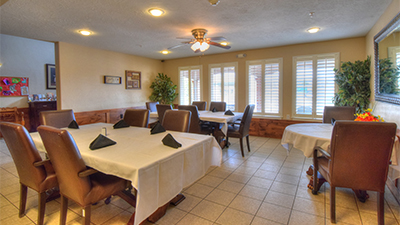
Small homes have a huge advantage here if they really cook, rather than depend on heat-and-serve frozen meals. The odor of breakfast on the range, the noise of a pot being stirred, and the sight of somebody laying out placemats in a normal sized dining room all signal comfort.
Balancing medical diets and real appetites
Older grownups often bring a long list of dietary constraints into assisted living or other senior care settings. Low sodium, diabetic diet plans, fluid constraints, thickened liquids, kidney diet plans for kidney disease, or mechanical soft and pureed textures for swallowing concerns are common.
In theory, each restriction is very important. In real life, stacking them all often leaves a plate that looks unattractive and barely eaten. Weight reduction and frailty can be a higher instant threat than the long term effects of a more liberalized diet.
A thoughtful technique involves real collaboration in between the medical care supplier, the home's manager, and the resident or family. For an 88 year old with diabetes who keeps dropping weight, it may be reasonable to focus on hunger and enjoyment, keeping track of blood sugars but allowing favorite foods in regulated parts. On the other hand, for a resident with innovative cardiac arrest who is continuously brief of breath, staying within salt limitations might be important to avoid repeated hospitalizations.
What I look for in a small home is not one "best" policy but the ability to explain why they are doing what they are doing for everyone, and how they keep an eye on for issues such as choking, goal pneumonia, or quick weight change.
The physical and social side of meals
The physical setup of the dining area in a small home shapes both hunger and security. Tables at a proper height for wheelchairs, sturdy chairs with arms, great lighting, and affordable sound levels all matter. So does versatility. Some citizens enjoy a predictable seat among the same 3 tablemates. Others need to sit nearer the cooking area where they can see food cooking to promote appetite.
Small homes can react more fluidly than big assisted living facilities when somebody's capabilities change. If a resident starts needing more help with cutting meat, a caretaker can typically sit beside them and assist in the minute. If Mrs. Nguyen consumes extremely slowly however delights in remaining at the table, staff can clear dishes from others and keep her company with a cup of tea rather than hustling her along to meet a rigid schedule.
Socially, meals are one of the most powerful tools to minimize seclusion. In a well run home, staff sit and consume with homeowners a minimum of sometimes instead of hovering at the edges. Discussions are specific and considerate, not child talk. You hear stories about previous holidays, grandchildren, old tasks and travels, not simply "time to consume" and "take another bite."
Texture, swallowing, and dementia
Swallowing issues are common and frequently under acknowledged. Coughing with sips of water, taking food in the cheeks, or taking a very long time to finish meals can all be signs of dysphagia. In small homes, caretakers tend to see changes quickly, however they might not always know what to do next.
The finest homes partner with speech therapists or dietitians who can advise suitable texture modifications, teach staff safe feeding methods, and reassess routinely. Thickened liquids, for instance, can reduce aspiration threat for some individuals, however lots of residents dislike the texture and beverage far less, which can cause dehydration and urinary issues. There is no substitute for individualized assessment.
For residents with dementia, dining can end up being complicated. They might no longer recognize utensils, eat from a next-door neighbor's plate, or forget they simply consumed. Personnel in small memory care homes often utilize visual cues such as contrasting plate colors, providing finger foods that can be picked up easily, and presenting a couple of food products at a time to avoid overload. These methods are practical and low expense, yet they need perseverance and staff who are not rushed.
How small homes organize staffing for ADLs
Behind every smooth bath, calmly supported dressing regular, and enjoyable meal lies a staffing pattern that either fits reality or battles against it.
In homes that regularly excel at ADL assistance, I tend to see:
- A steady core team. Familiarity is whatever in intimate care. Residents are less distressed, and staff pick up quickly on subtle modifications such as a new tremor or a various method of walking that mean pain or infection.
- Thoughtful scheduling. Early morning staff levels match the busiest ADL duration, with versatility for locals who wake earlier or later. Nights are not so very finely staffed that undressing and bedtime feel rushed.
- Training that connects tasks to outcomes. Rather of mentor "how to provide a shower," good managers teach "how to safeguard skin integrity, lower falls, and maintain self-reliance through bathing routines," then connect those outcomes to evaluation outcomes and hospitalization rates.
- A culture where caretakers can speak out. When a frontline employee says, "Mr. Allen is taking a lot longer to chew, and he is coughing more," management takes that seriously and acts, rather than dismissing it as normal aging.
Small homes are specifically susceptible when staffing is too lean or turnover is high. One highly regarded caretaker leaving can interrupt relationships and routines. Households should ask not just about the staff ratio on paper, but about how often shifts are covered by agency employees or brand-new hires who do not yet know the residents.
Working with households and respite care
Family involvement can strengthen or strain ADL support, depending upon how communication is managed. In my experience, the most durable arrangements establish a shared understanding of what "good enough" looks like.
Setting reasonable expectations
Families sometimes get here with perfects that are impossible to sustain. Daily full showers for someone with innovative dementia, elaborate outfits with several layers and difficult fasteners, or entirely different customized meals 3 times a day for one resident in a tiny home kitchen prevail examples.
A professional manager will carefully ground those expectations in the practicalities of elderly care. They might describe, for example, that a compromise of 3 showers each week plus day-to-day sponge baths supplies excellent health without exhausting the resident or monopolizing staff time. Or they may suggest a capsule wardrobe of comfy, mix and match clothes that still shows the person's style.
Clear interaction matters most during the very first weeks after a relocation or during respite care stays. This is when routines are being tested and changed. Short, focused updates on how bathing, dressing, and consuming are going can reveal mismatches rapidly. For instance, if the home reports repeated refusals to shower, a family member may share that dad constantly chose a late evening shower, not an early morning one, offering staff a simple solution.
Using respite care to evaluate the fit
Respite care in a small home offers a powerful way to see how ADL assistance feels in real life rather than on a tour. A a couple of week stay lets everybody trial:
- How comfy the resident feels with caretakers during bathing and toileting.
- Whether dressing regimens align with their energy patterns.
- How well they consume in a new environment and whether any behavior modifications emerge around meals.
Families ought to deal with respite not as a holiday from watchfulness, but as a chance to observe and fine tune. Ask the resident, in their own words if possible, how they felt about shower help, whether they liked the food, and if they felt hurried or appreciated. Ask staff what worked well and what they would adjust if the stay ended up being long term. This shared feedback loop frequently results in a much smoother transition if an irreversible relocation later on becomes necessary.
Red flags and green flags when you visit
A tour or a brief visit can not reveal whatever, but some indications are extremely reliable indicators of how bathing, dressing, and dining are handled behind the scenes.
Consider this short guide to questions that open useful conversations:
- How do you choose how often somebody showers, and how do you handle it if they refuse?
- Who normally helps with showers and toileting, and the length of time have they worked here?
- What time do a lot of residents get up, get dressed, and go to sleep? How much can that differ by person?
- How do you handle unique diet plans or swallowing problems? When was the last time you consulted a dietitian or speech therapist?
- If I returned unannounced at 8 AM or 7 PM, what would I see residents and staff doing?
Listen thoroughly not simply for the content of the responses, but for whether personnel discuss residents with respect and specificity. Vague replies such as "everybody is tidy and fed" suggest a task focused mindset. Specific, person focused reactions, even when they admit restrictions, are a strong green flag.
Bringing it all together
Bathing, dressing, and dining might appear like standard checkboxes on an assessment form, however in reality they make up the material of every day in an elderly care setting. Small homes have the potential to deliver incredibly gentle, versatile ADL support, thanks to their scale and the intimacy of their regimens. That capacity is realized only when leadership, staffing, the physical environment, and household collaboration all line up.
For families weighing senior care alternatives, paying cautious attention to these 3 areas will reveal even more about quality than any pamphlet or online ranking. Spend time in the common areas. Inquire about the mundane information. Notice how individuals look and sound in the middle of normal tasks.
If your loved one leaves feeling tidy without feeling exposed, dressed like themselves rather than a hospital patient, and genuinely satisfied after meals, you are likely in a place where the fundamentals of assisted living are managed with the care and proficiency they deserve.
BeeHive Homes of Santa Fe NM provides assisted living care
BeeHive Homes of Santa Fe NM provides memory care services
BeeHive Homes of Santa Fe NM provides respite care services
BeeHive Homes of Santa Fe NM supports assistance with bathing and grooming
BeeHive Homes of Santa Fe NM offers private bedrooms with private bathrooms
BeeHive Homes of Santa Fe NM provides medication monitoring and documentation
BeeHive Homes of Santa Fe NM serves dietitian-approved meals
BeeHive Homes of Santa Fe NM provides housekeeping services
BeeHive Homes of Santa Fe NM provides laundry services
BeeHive Homes of Santa Fe NM offers community dining and social engagement activities
BeeHive Homes of Santa Fe NM features life enrichment activities
BeeHive Homes of Santa Fe NM supports personal care assistance during meals and daily routines
BeeHive Homes of Santa Fe NM promotes frequent physical and mental exercise opportunities
BeeHive Homes of Santa Fe NM provides a home-like residential environment
BeeHive Homes of Santa Fe NM creates customized care plans as residents’ needs change
BeeHive Homes of Santa Fe NM assesses individual resident care needs
BeeHive Homes of Santa Fe NM accepts private pay and long-term care insurance
BeeHive Homes of Santa Fe NM assists qualified veterans with Aid and Attendance benefits
BeeHive Homes of Santa Fe NM encourages meaningful resident-to-staff relationships
BeeHive Homes of Santa Fe NM delivers compassionate, attentive senior care focused on dignity and comfort
BeeHive Homes of Santa Fe NM has a phone number of (505) 591-7021
BeeHive Homes of Santa Fe NM has an address of 3838 Thomas Rd, Santa Fe, NM 87507
BeeHive Homes of Santa Fe NM has a website https://beehivehomes.com/locations/santa-fe/
BeeHive Homes of Santa Fe NM has Google Maps listing https://maps.app.goo.gl/fzApm6ojmRryQMu76
BeeHive Homes of Santa Fe NM has Facebook page https://www.facebook.com/BeeHiveSantaFe
BeeHive Homes of Santa Fe NM has a YouTube channel at https://www.youtube.com/@WelcomeHomeBeeHiveHomes
BeeHive Homes of Santa Fe NM won Top Assisted Living Homes 2025
BeeHive Homes of Santa Fe NM earned Best Customer Service Award 2024
BeeHive Homes of Santa Fe NM placed 1st for Senior Living Communities 2025
People Also Ask about BeeHive Homes of Santa Fe NM
What is BeeHive Homes of Santa Fe NM Living monthly room rate?
The rate depends on the level of care that is needed. We do a pre-admission evaluation for each resident to determine the level of care needed. The monthly rate is based on this evaluation. There are no hidden costs or fees
Can residents stay in BeeHive Homes of Santa Fe NM until the end of their life?
Usually yes. There are exceptions, such as when there are safety issues with the resident, or they need 24 hour skilled nursing services
Does BeeHive Homes of Santa Fe NM have a nurse on staff?
No, but each BeeHive Home has a consulting Nurse available 24 – 7. if nursing services are needed, a doctor can order home health to come into the home
What are BeeHive Homes of Santa Fe NM visiting hours?
Visiting hours are adjusted to accommodate the families and the resident’s needs… just not too early or too late
Do we have couple’s rooms available?
Yes, each home has rooms designed to accommodate couples. Please ask about the availability of these rooms
Where is BeeHive Homes of Santa Fe NM located?
BeeHive Homes of Santa Fe NM is conveniently located at 3838 Thomas Rd, Santa Fe, NM 87507. You can easily find directions on Google Maps or call at (505) 591-7021 Monday through Sunday 9:00am to 5:00pm
How can I contact BeeHive Homes of Santa Fe NM?
You can contact BeeHive Homes of Santa Fe NM by phone at: (505) 591-7021, visit their website at https://beehivehomes.com/locations/santa-fe, or connect on social media via Facebook or YouTube
Visiting Frenchy's field offers a simple, accessible park setting that supports assisted living, elderly care, and respite care outdoor activities.